AI Answering Services for Restaurants
Missed phone calls during peak hours can cost restaurants reservations, takeout orders, and returning customers. When the kitchen is slammed and every staff member is occupied, incoming calls often go unanswered or get rushed responses. AI answering services help restaurants handle these calls automatically, providing consistent service whether it's a quiet Tuesday afternoon or a packed Saturday night. For restaurant owners, this means fewer lost opportunities and less pressure on already-stretched teams.
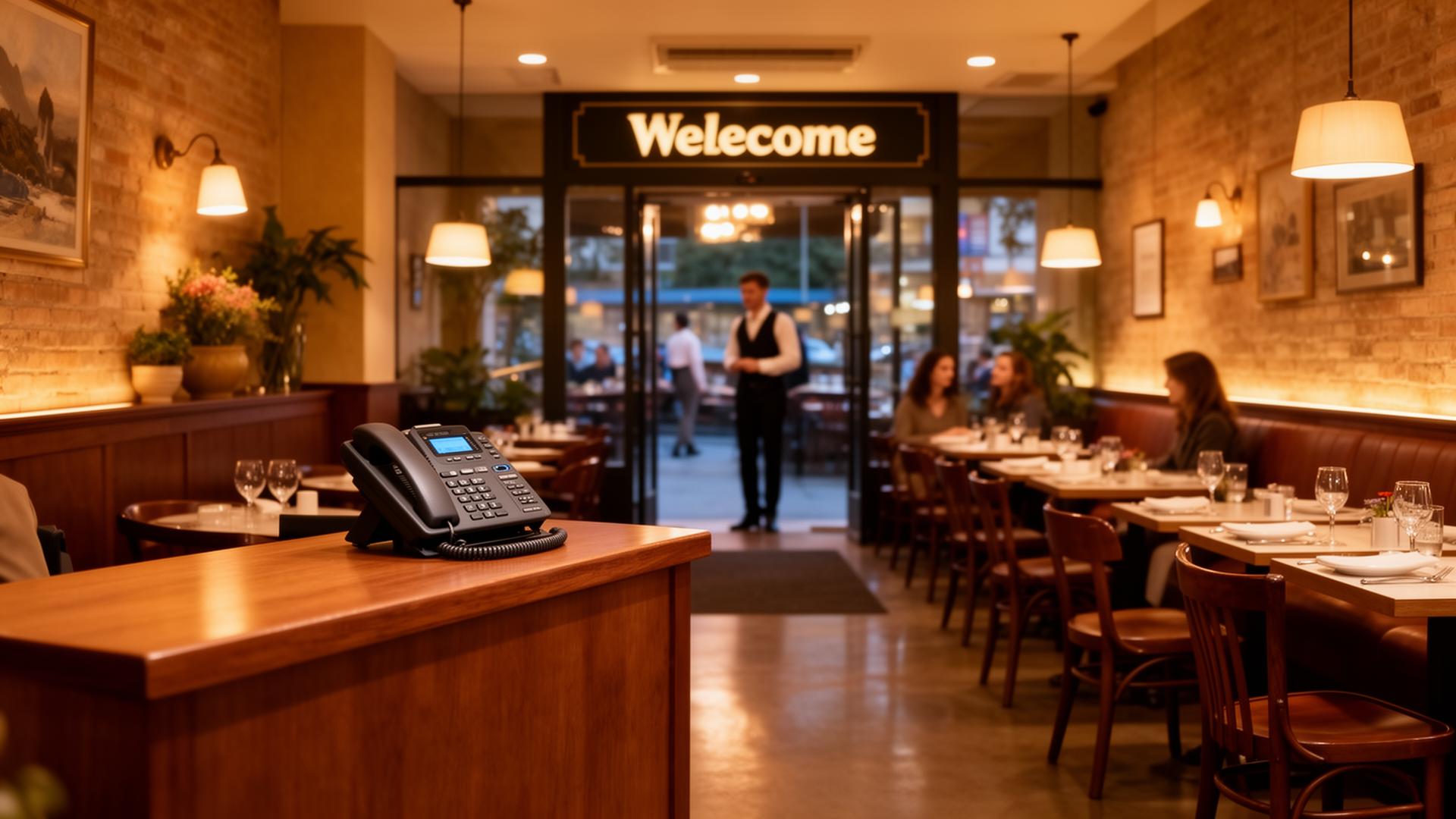
Why Restaurants Have Unique Call Handling Needs
Restaurants experience highly concentrated call volume during lunch and dinner service, creating a challenge that most other businesses don't face. A phone ringing during the dinner rush forces an impossible choice: interrupt service to answer, or let it ring and potentially lose a customer. This operational tension is compounded by the fact that most restaurant calls are simple and repetitive—the same questions about hours, menu items, and reservations asked dozens of times each day.
- High call volume concentrated during peak service hours when staff are least available
- Short, repetitive questions that don't require human judgment but still demand attention
- Missed calls translate directly into lost revenue from reservations and takeout orders
- Limited staff availability makes dedicated phone coverage impractical for most restaurants
- Seasonal fluctuations and special events create unpredictable call spikes
Common Phone Calls in Restaurants
The majority of restaurant phone calls follow predictable patterns, which makes them particularly well suited for AI-based call handling. Understanding these patterns helps restaurant owners see where automation can have the biggest impact on operations and customer satisfaction.
- Reservation requests for specific dates, times, and party sizes
- Questions about opening hours, holiday schedules, and special closures
- Menu inquiries including dietary restrictions, allergen information, and daily specials
- Takeout and delivery orders, including order status and estimated wait times
- Location details, parking availability, and directions
AI answering services perform best when handling these structured, repetitive requests automatically. By offloading routine calls, restaurants can ensure every inquiry gets a prompt response while staff remain focused on guests in the dining room.
How AI Answering Services Help Restaurants
- 24/7 call answering ensures reservation requests and inquiries never go unanswered
- Reduced missed calls during busy service hours when staff can't reach the phone
- Consistent, accurate answers to common questions without variations or mistakes
- Intelligent call routing for special requests, large party bookings, or complex inquiries
- After-hours message handling captures opportunities that would otherwise be lost overnight
Many restaurants use AI answering services as the first point of contact for all incoming calls. This approach allows front-of-house staff to focus entirely on in-person guests and food preparation, knowing that phone inquiries are being handled professionally in the background. The result is better service for everyone—both callers and diners.
Key Features to Look for in Restaurant AI Answering Services
- Reservation handling or booking capture that integrates with existing systems
- Easy setup that doesn't require complex phone system changes or technical expertise
- Clear human handoff options for situations that genuinely need personal attention
- Affordable pricing structures that work with fluctuating call volumes and seasonal demand
- Optional multi-language support for diverse customer bases
AI Answering Services Commonly Used by Restaurants
Not all AI answering services are designed with restaurant workflows in mind. Some tools focus on simple call automation and message-taking, while others offer deeper features for reservation-heavy environments. The providers below have been used successfully by restaurants of various sizes and service styles.

Rosie
Designed specifically for small businesses with straightforward reservation workflows and quick setup
Read Full Review →

Limitations and Best Practices for Restaurants
AI answering services are most effective when expectations are set realistically. While they excel at handling routine inquiries and basic reservations, complex situations often still require human involvement. Large group bookings with special arrangements, custom menu requests for events, and nuanced dietary questions may need confirmation from a manager or chef.
The best results come from treating AI as a first line of response rather than a complete replacement for human interaction. Let the AI handle the routine calls that consume staff time, and reserve human attention for the exceptions and special cases that genuinely benefit from personal touch.
Related Articles
Best AI Phone Answering Service for Restaurants and Takeout (2026)
Restaurants miss up to 30% of phone orders during peak hours. We tested 6 restaurant-specific AI phone answering services on ordering accuracy, POS integration, and upselling.
Loman AI vs Slang AI: Best Restaurant Phone AI (2026)
Loman AI and Slang AI are the two leading restaurant-specific AI phone services. We tested both on ordering accuracy, POS integration, and upselling.
Is an AI Answering Service Right for Your Restaurant?
For restaurants struggling with missed calls during service or limited staff availability, AI answering services can meaningfully improve response speed, reduce lost reservations, and ease the operational pressure on your team. The right solution depends on your specific call volume, budget constraints, and how reservations are currently managed. Restaurants with high phone traffic during peak hours typically see the fastest return on investment.
Curious how restaurant-focused solutions compare to general business options? Check out our comprehensive AI receptionist comparison.